What Is a Temporary Email and Why Do Millions Use It?
On this page
Modern Internet users need better privacy
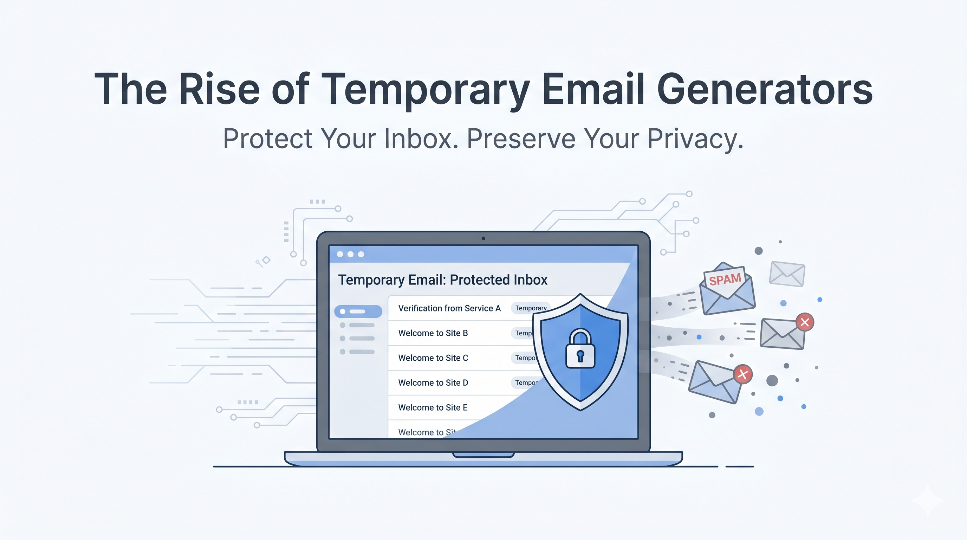
Internet security and privacy issues are on the rise, and they grow more significant for modern Internet users every day. Nearly every site online requires you to enter an email before you can access it, sign up, start a trial, download anything, or use a site's online services. This often results in unwanted newsletters, advertising mail, spam, and inbox clutter. For this reason, people are now seeking safer ways to protect their personal inboxes online.
A temporary email, also known as disposable email, is one of the most widely used alternatives for protecting online privacy and getting rid of spam. Unlike a conventional email, a temporary email offers a way to obtain an inbox without registering or providing personal information. Users need it to register anonymously, receive OTPs, test apps, and handle many other tasks — which is why temp mail services are used by millions.
A service like FreeTempEmail makes this easy, quick, and safe to use every day. The most effective answer to privacy problems is to receive registration codes promptly in an inbox that spammers never reach.
What is a temporary email and how does it work?
A temporary email is a quick, accessible, anonymous service for using online platforms. Unlike traditional email accounts, a temporary inbox does not ask for registration, passwords, or personal details. You can create an address and start receiving messages within a few seconds.
Disposable email accounts usually expire after a set time. This minimizes spam, keeps private inboxes clear, and preserves privacy. Many people use a temp email to sign up to a site, download documents, or test out applications.
For instance, someone downloading an ebook from a less reliable source might not want to give up their permanent address. Instead, they can use a free solution like FreeTempEmail, which provides a disposable inbox without sending any follow-up emails later.
Why people use temporary email services
Prevent spam and promotional emails
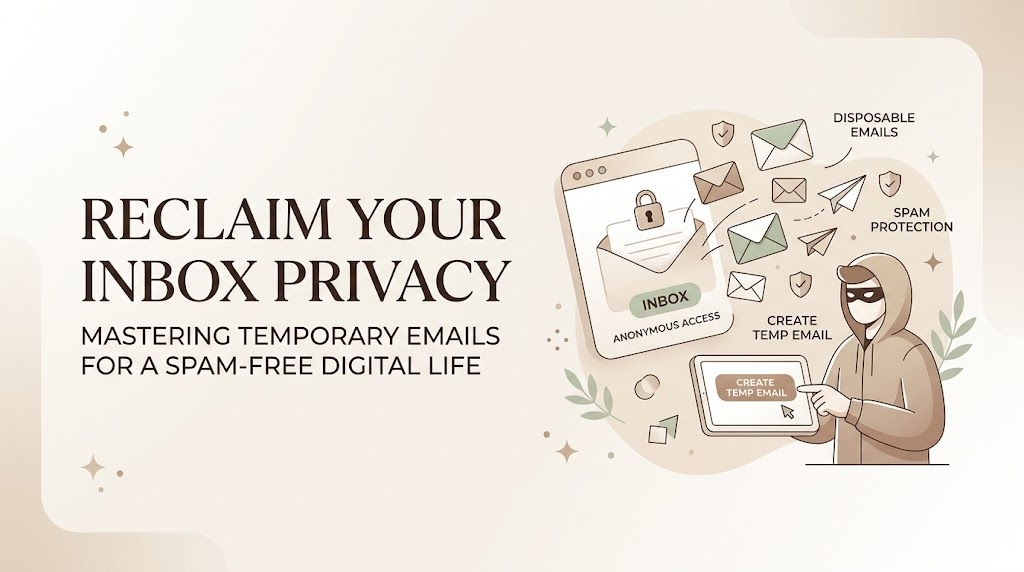
The primary reason users opt for temp mail is to avoid spam. Many websites store email addresses and use them for routine promotions, newsletters, and marketing campaigns. A burner email lets you keep that clutter away from your personal address — instead of constantly unsubscribing, you simply delete the temporary inbox when you are done.
Online platforms like FreeTempEmail enable users to have a clean and organized email experience.
Anonymous website signups
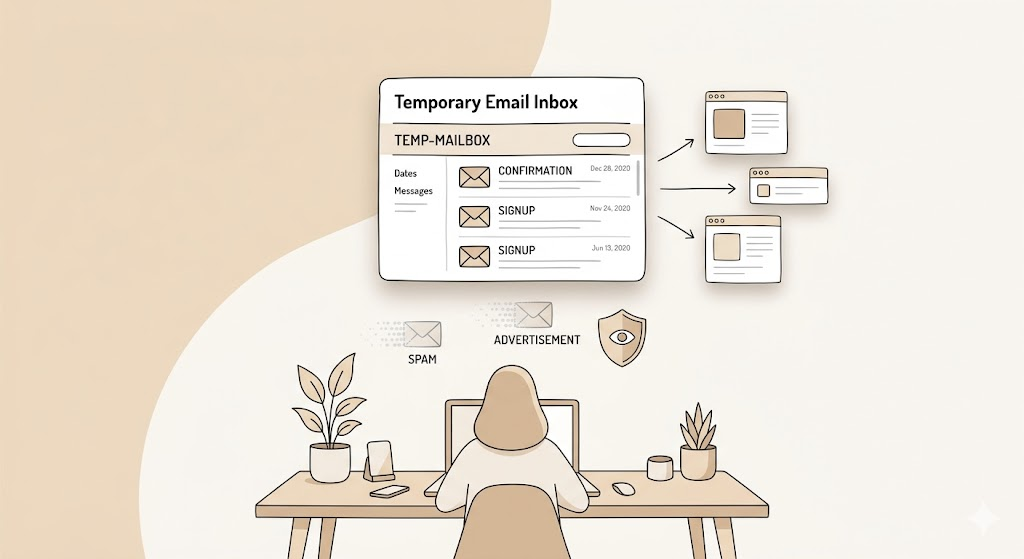
People increasingly dislike giving out their real email address on forums, lesser-known websites, and one-time download pages. A temporary email adds privacy when creating discussion-board accounts, using trial platforms, or grabbing files from unfamiliar sources, while blocking spam and reducing hijacking risk.
Quick registrations and OTP verification
Many websites require an email to sign up. With a 10 minute mail service you get verification codes and activation links instantly, without the hassle of creating accounts or remembering passwords. Services like free temp mail service make this effortless by creating instant inboxes on the spot.
How temporary email works
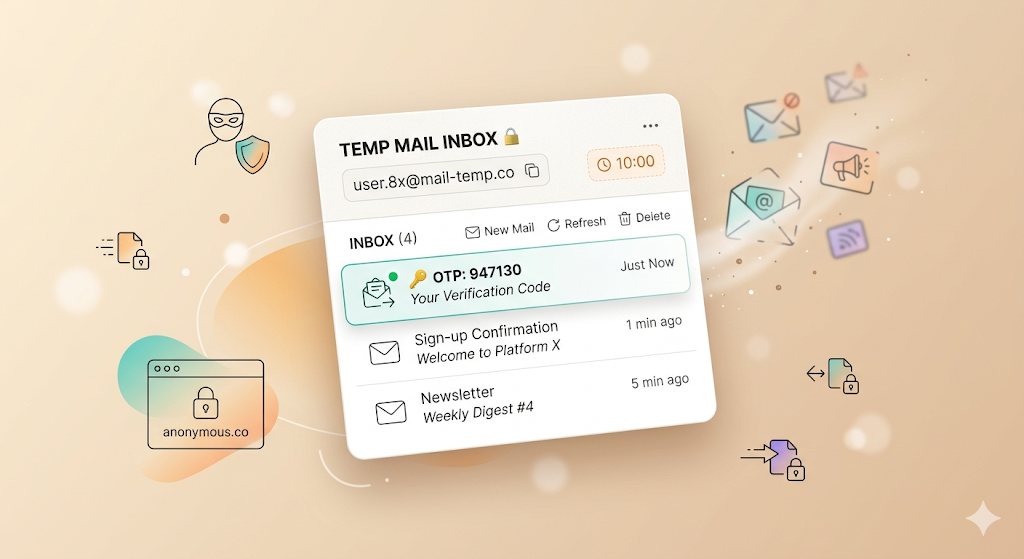
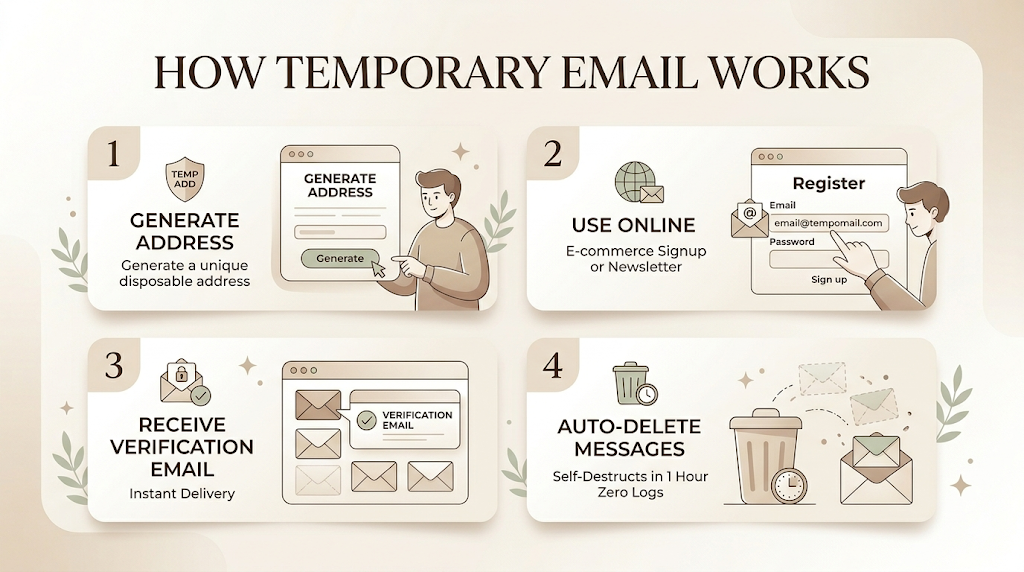
Step 1 — Create a temporary address. Open FreeTempEmail and it automatically generates a random email address with a single click — no registration paperwork required.
Step 2 — Use it anywhere online. Use the address for signups, coupons, codes, free trials, forums, download links, and one-time registrations, all while keeping your own inbox spam-free.
Step 3 — Receive emails in seconds. OTP codes, activation links, and confirmation emails land in the inbox almost instantly — perfect for rapid verification.
Step 4 — Inbox self-destructs automatically. Most burner inboxes wipe their messages after they expire (around 10 minutes), increasing privacy and reducing your long-term footprint.
Is a temporary email safe to use?
When it is safe
Temporary email providers are typically safe for low-risk activities such as testing websites, joining forums, downloading files, and signing up for trials. Many people use a burner email as an anonymous way to register quickly without giving away their information.
When you should avoid it
Do not use a temporary email for banking, healthcare sites, private communication, or any sensitive account. Many temporary inboxes are public, so they should never hold confidential information or be used for password recovery.
| Feature | Temporary Email | Personal Email |
|---|---|---|
| Usage length | Short-term use | Long-term use |
| Spam protection | Better spam protection | Vulnerable to promotions |
| Identity | Anonymous access | Identity-based |
| Storage | Disposable inbox | Permanent storage |
| Setup | No signup required | Registration needed |
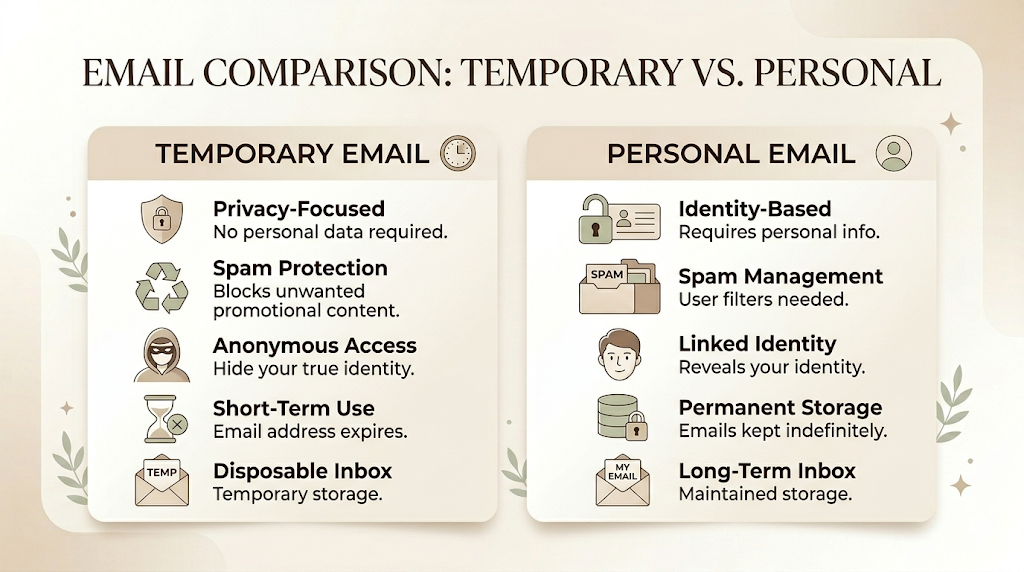
A temporary email is best for short-term, anonymous tasks, while a personal email account is best for long-term communication and account management.
Conclusion
The safest way to avoid spam and unwanted marketing emails — and to protect your privacy online — is to use a temporary email. Disposable addresses are a convenient, simple way to verify online tasks, access websites anonymously, and register more securely. Platforms like FreeTempEmail make email generation even easier, delete messages automatically, and offer a lightweight interface. If you want more privacy or a cleaner inbox, get a free temporary email today.
How does a temporary email work? ▼
A temporary email service creates an inbox on the spot without any registration. You receive emails, OTPs, and verification links for a limited time, after which the inbox expires automatically.
Is a temporary email legal? ▼
Yes. Using a temporary email for privacy, spam protection, and testing is legal in most countries. It must not be used for illegal actions or deceptive practices.
How do I create a temporary email? ▼
Open a temporary email website like [FreeTempEmail](/) and you get a disposable address instantly — no signup required.
How long do temporary emails last? ▼
Most temporary mailboxes expire in about 10–30 minutes depending on the provider, and messages are removed shortly after for privacy.
What is the point of a temporary email? ▼
Temporary, anonymous inboxes keep spammers away from your real account and let you download files, register, and validate OTPs more privately.
Can I use a temporary email for account verification? ▼
Yes. Temporary email is ideal for one-time OTP codes, signup confirmations, and activation links. Copy the code from your temp inbox before it expires — FreeTempEmail inboxes last about 10 minutes.
Can temp mail be tracked? ▼
Like most online services, temp mail can occasionally be linked via IP address or browser information, but it still offers far more privacy than using a personal email account.